

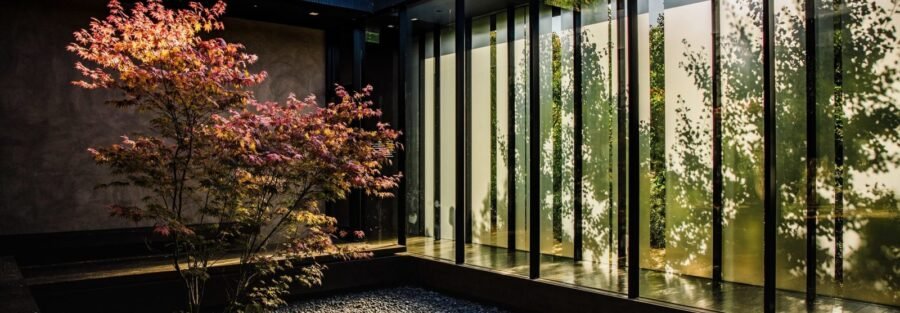
Polycarbonate windows have become a strategic choice for industrial, commercial, and large-scale construction projects looking for superior durability and long-term performance. Unlike traditional glass, these advanced glazing solutions offer exceptional impact resistance, high thermal insulation, UV protection, and lightweight installation benefits—making them ideal for factories, warehouses, greenhouses, security facilities, and modern architectural structures. For distributors, contractors, and wholesale buyers, polycarbonate windows provide a reliable, cost-efficient alternative that reduces maintenance, extends lifecycle performance, and ensures consistent quality across demanding applications. If your business seeks high-volume supply or customized specifications, polycarbonate windows represent one of the most efficient and future-proof materials on today’s global market.
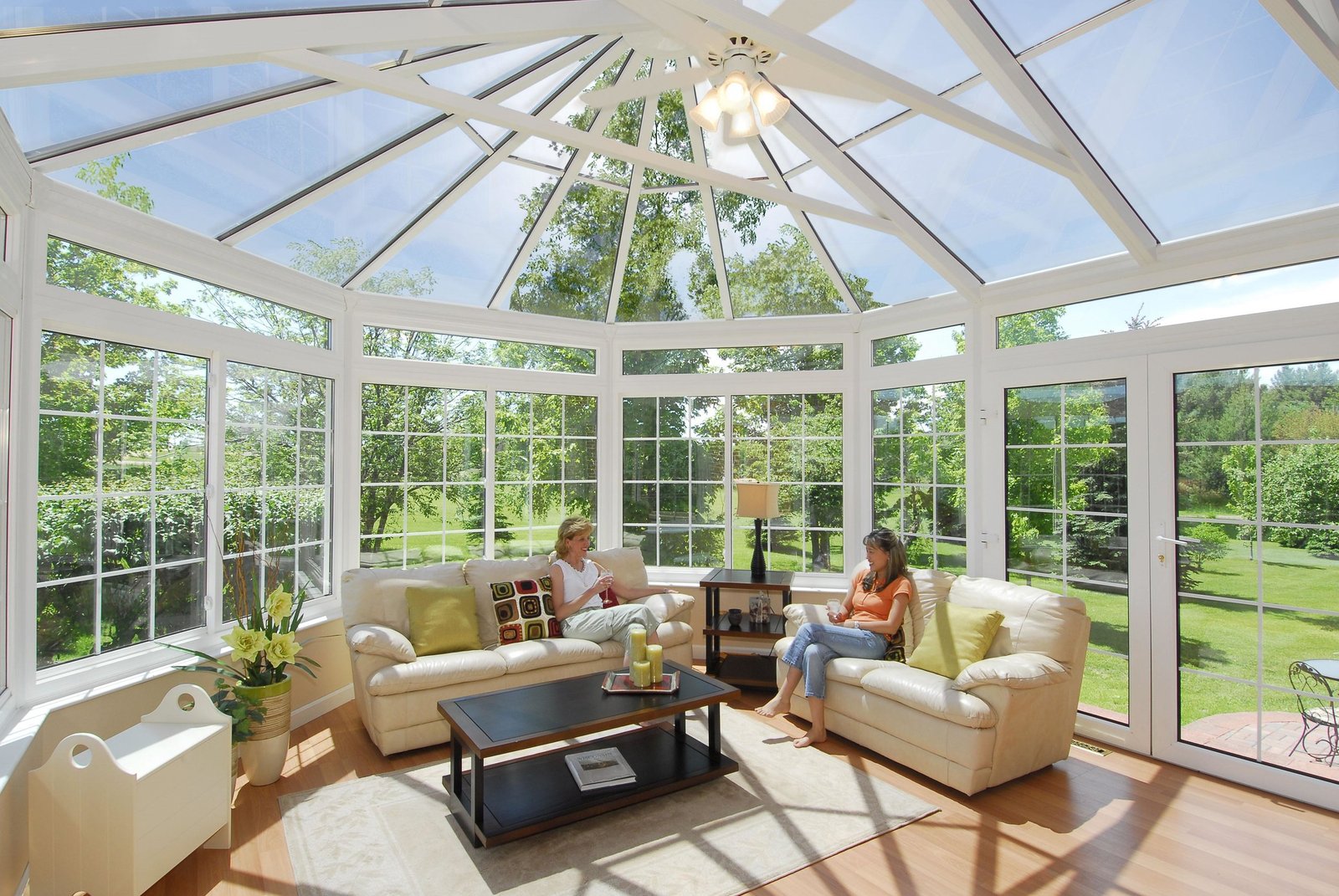
Table of Contents
ToggleAdvantages of Polycarbonate Windows
- High Impact Resistance: Can withstand strong impacts and heavy loads without breaking, making them ideal for industrial and security applications.
- Lightweight: Significantly lighter than glass, reducing structural load and easing installation for large projects.
- UV Protection: Built-in UV-resistant layers prevent yellowing and degradation, ensuring clarity and durability outdoors.
- Thermal Insulation: Excellent heat retention and energy efficiency, reducing heating/cooling costs in commercial and agricultural facilities.
- Acoustic Insulation: Helps reduce noise levels in busy industrial and public environments.
- Weather Resistance: Resistant to rain, humidity, and extreme temperatures, suitable for harsh climates.
- Longevity: Durable for 15+ years with minimal maintenance, providing excellent ROI for businesses.
- Versatility: Available in various thicknesses, finishes, and diffused or clear panels to meet specific project needs.
- Safety: Shatterproof design prevents injuries and protects equipment or property in high-risk areas.
- Eco-Friendly: Recyclable material with a long service life, reducing environmental impact.
Uses of Polycarbonate Windows
Polycarbonate windows are widely used across industrial, commercial, and agricultural projects thanks to their high impact resistance, UV protection, and long-lasting performance. Companies rely on them as a safer, lighter, and more durable alternative to glass for factories, warehouses, greenhouses, public facilities, and security-focused buildings. Their versatility, thermal insulation, and low maintenance requirements make them an ideal glazing solution for large-scale and high-demand applications.
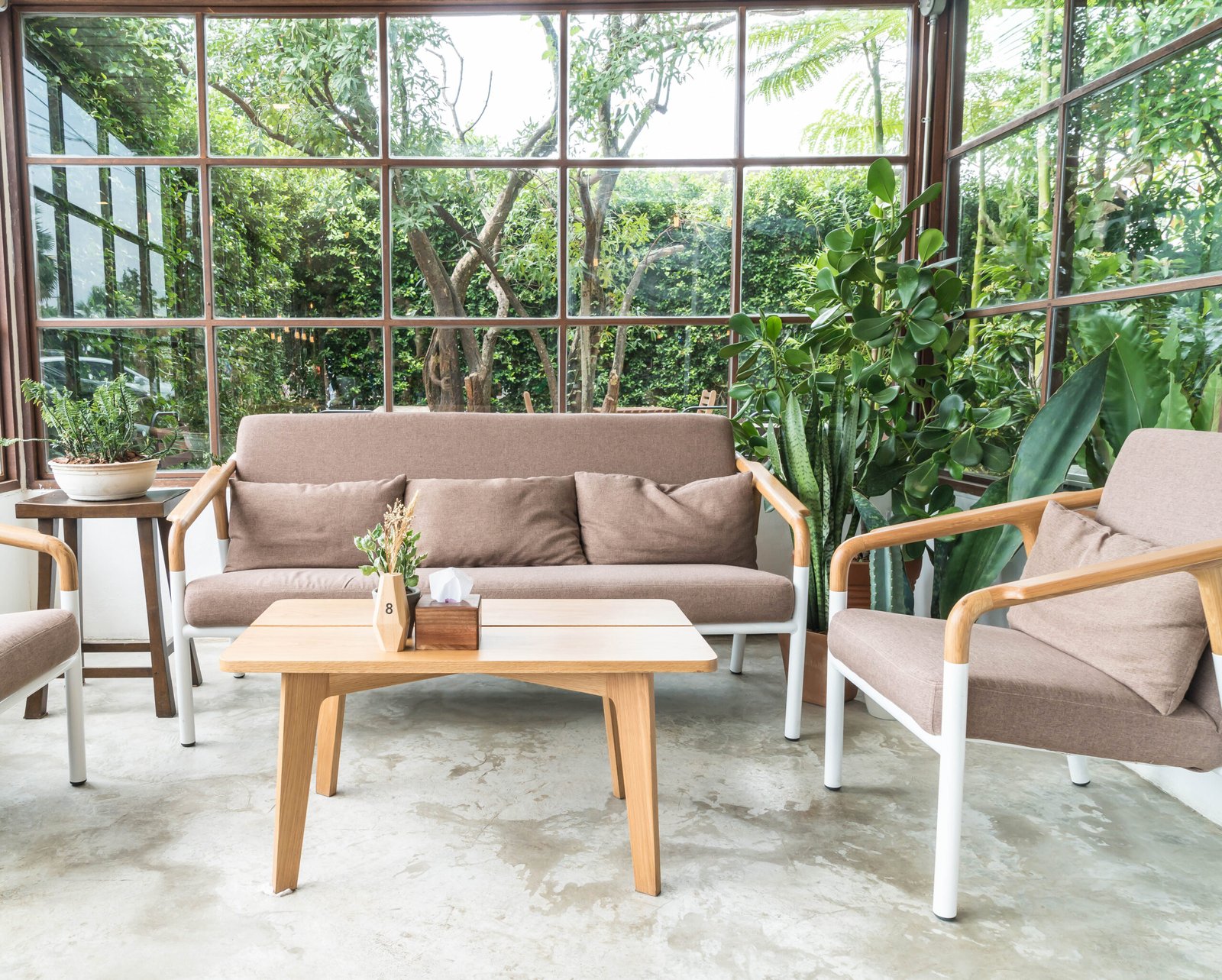
Industrial and Commercial Buildings with Polycarbonate Windows
Polycarbonate windows are widely used in industrial and commercial facilities where strength, safety, and long-term performance are essential. Their impact resistance—up to 250 times stronger than glass—makes them ideal for environments exposed to constant vibrations, heavy machinery, and potential hazards. These windows maintain optical clarity while providing excellent structural stability with significantly lower weight than traditional glazing.
Key advantages for industrial use:
- High impact resistance suitable for factories, warehouses, and distribution centers
- Lightweight design reduces load on metal structures and large-span façades
- Available in multiple thicknesses (3 mm to 12 mm) for tailored thermal and acoustic insulation
- Suitable for control rooms, sidewalls, façades, and high-traffic areas
- Long-term durability reduces replacement frequency and operational costs
Greenhouses and Agricultural Structures Using Polycarbonate Windows
Polycarbonate windows offer optimal light transmission and insulation performance, making them the preferred glazing material for greenhouses, nurseries, and agricultural facilities. They allow 70%–88% light transmission depending on thickness while maintaining stable internal temperatures—critical for plant growth and energy efficiency.
Technical benefits for agricultural projects:
- UV-protected layers prevent yellowing and degradation, ensuring over 15 years of service life
- Superior thermal insulation reduces heat loss and stabilizes greenhouse climate
- Resistance to humidity, fertilizers, and agricultural chemicals
- Lightweight panels support large greenhouse spans without requiring heavy frames
- Available in diffused or clear finishes to increase light uniformity and reduce hotspots
Security and High-Impact Facilities Reinforced with Polycarbonate Windows
For security-sensitive environments, polycarbonate windows provide unmatched protection compared to glass or acrylic. Their anti-vandal, shatter-resistant structure makes them suitable for government buildings, police stations, data centers, and equipment storage facilities.
Technical strengths for security applications:
- High energy absorption prevents breakage from impact or forced entry
- Suitable for anti-vandal glazing, protective barriers, and security observation windows
- Can be manufactured in bullet-resistant grades for critical infrastructure
- Maintains clarity while offering superior safety in high-risk zones
- Lower maintenance and zero shatter risk improve operational reliability
Transportation and Public Infrastructure with Polycarbonate Windows
Polycarbonate windows are commonly installed in public transportation facilities due to their weather resistance, light weight, and long operational lifespan. They withstand continuous exposure to UV rays, pollution, and heavy public use.
Use cases in public infrastructure:
- Bus stations, metro platforms, and ticket booths
- Security cabins and outdoor kiosks
- Acoustic and protective window panels in crowded areas
- Graffiti-resistant and easy-to-clean surfaces for public environments
- Reliable performance in extreme outdoor temperatures
Modern Architectural Projects Enhanced with Polycarbonate Windows
Architects and real estate developers use polycarbonate windows in modern buildings to balance aesthetics, safety, and energy efficiency. They enable daylight penetration while reducing heat gain and noise transmission.
Architectural advantages:
- Ideal for façades, skylights, and daylighting systems
- High optical clarity with advanced UV blocking technology
- Lightweight construction enables creative and large-scale designs
- Excellent thermal insulation contributes to energy-saving building performance
- Can be fabricated in various colors, textures, and light-diffusion options
Manufacturing and Production Facilities Using Polycarbonate Windows
In production areas, polycarbonate windows serve as safe viewing and inspection panels for machinery enclosures, equipment rooms, and industrial monitoring stations. Their shatterproof structure minimizes accidents and enhances workflow visibility.
Industrial technical benefits:
- Safe viewing panels for machines and automation systems
- High resistance to vibrations, chemicals, and oil mist
- Clear visibility ensures efficient inspection and monitoring
- Impact-resistant design protects workers and equipment
- Customizable sizes and thicknesses for specialized industrial requirements

Comparison Between Polycarbonate Windows and Other Glazing Materials
| Feature / Material | Polycarbonate Windows | Glass Windows | Acrylic (PMMA) Windows |
|---|---|---|---|
| Impact Resistance | Extremely high (up to 250× stronger than glass) – shatterproof and anti-vandal | Very low – breaks easily | Moderate – 10× stronger than glass |
| Weight | Very lightweight – 50% lighter than glass | Heavy | Lighter than glass but heavier than polycarbonate |
| UV Protection | Excellent UV-resistant layers on both sides | Requires external UV coating | UV-resistant but can yellow over time |
| Thermal Insulation | High insulation, ideal for energy efficiency | Low insulation | Moderate insulation |
| Light Transmission | 70%–88% depending on thickness | Up to 90% | Very high, often 92% |
| Weather Resistance | Highly resistant to heat, humidity, and outdoor exposure | Prone to thermal cracking | Good, but less durable in extreme heat |
| Scratch Resistance | Moderate (can be coated with anti-scratch layer) | High scratch resistance | Low scratch resistance |
| Fire Performance | Self-extinguishing / fire-retardant grades available | Shatters and melts under high heat | Burns easily |
| Lifespan | 15+ years with UV coating | Long lifespan but fragile | 8–10 years outdoors |
| Maintenance | Low – does not shatter or require frequent replacement | High – risk of breakage | Moderate – prone to scratching |
| Cost Efficiency (B2B) | High ROI due to durability and reduced replacement | Higher long-term cost due to breakage | Lower upfront cost, but shorter lifespan |
| Best Use Cases | Factories, warehouses, greenhouses, security buildings, skylights | Residential windows, indoor partitions | Displays, signage, low-impact areas |
Polycarbonate windows outperform glass and acrylic in strength, durability, and versatility. Unlike fragile glass or easily scratched acrylic, they offer high impact resistance, UV protection, thermal insulation, and long-term outdoor performance. This makes them ideal for industrial, commercial, and agricultural projects, providing businesses with a cost-effective, low-maintenance glazing solution.

What makes polycarbonate the best material for windows?
Polycarbonate windows are the ideal choice for industrial, commercial, and agricultural projects thanks to their unmatched strength, lightweight design, and long-term durability. They provide excellent impact resistance, UV protection, thermal and acoustic insulation, and weather resistance, making them safer and more cost-effective than traditional glass or acrylic. With versatile thicknesses, finishes, and diffused or clear options, polycarbonate windows deliver reliable performance, reduced maintenance, and superior ROI for large-scale and high-demand applications.
Quality Certifications for Polycarbonate Windows
G-Crystal polycarbonate windows are manufactured under strict quality standards and certified with ISO 9001, ISO 14001, and ISO 45001, ensuring top-level quality, environmental responsibility, and workplace safety. CE certification guarantees compliance with European regulations, while built-in UV protection and fire-retardant options provide long-term durability and reliability for industrial, commercial, and agricultural projects.
G-Crystal: Leading Manufacturer of Polycarbonate Windows
G-Crystal Plastic Industries is a global leader in manufacturing high-quality polycarbonate windows and panels. With decades of experience, the company produces durable, UV-protected, and impact-resistant solutions that meet the highest international standards. All products are certified with ISO 9001, ISO 14001, ISO 45001, and CE compliance, ensuring consistent quality, environmental responsibility, and workplace safety.
Trusted by distributors, contractors, and institutions worldwide, G-Crystal delivers customized solutions for industrial buildings, commercial facilities, greenhouses, schools, and security-sensitive projects. Their polycarbonate windows combine superior clarity, thermal and acoustic insulation, and long-term durability, providing businesses with a reliable, cost-effective glazing solution.
Get in Touch Today: Contact G-Crystal to request a quote, explore bulk order discounts, or discuss customized specifications for your next project. With global shipping capabilities and tailored production for large-scale orders, G-Crystal is your trusted partner for high-performance polycarbonate solutions.


