

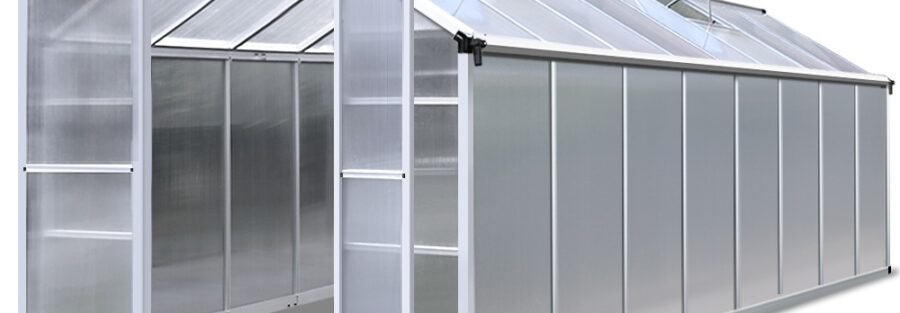
Polycarbonate greenhouse panels have revolutionized modern agriculture by offering a durable, lightweight, and energy-efficient alternative to traditional glass and plastic coverings. Designed to withstand harsh weather conditions, provide uniform light diffusion, and deliver excellent thermal insulation, these panels are ideal for commercial greenhouses, nurseries, and research facilities. For manufacturers, contractors, and wholesale buyers, polycarbonate greenhouse panels represent a high-value investment that combines long-term durability, low maintenance, and scalable solutions for large-scale agricultural projects. In this guide, we explore the types, features, technical specifications, applications, and business opportunities of polycarbonate greenhouse panels, helping B2B buyers make informed decisions for their next project.
What Are Polycarbonate Greenhouse Panels?
Polycarbonate greenhouse panels are high-performance panels made from durable polycarbonate resin, designed specifically for agricultural and commercial greenhouse applications. Unlike traditional glass or polyethylene sheets, these panels combine exceptional impact resistance, lightweight construction, and thermal insulation, making them ideal for protecting plants from extreme weather while maintaining optimal light transmission. They are available in single-wall, twinwall, and multiwall configurations, each offering varying degrees of insulation, rigidity, and light diffusion.
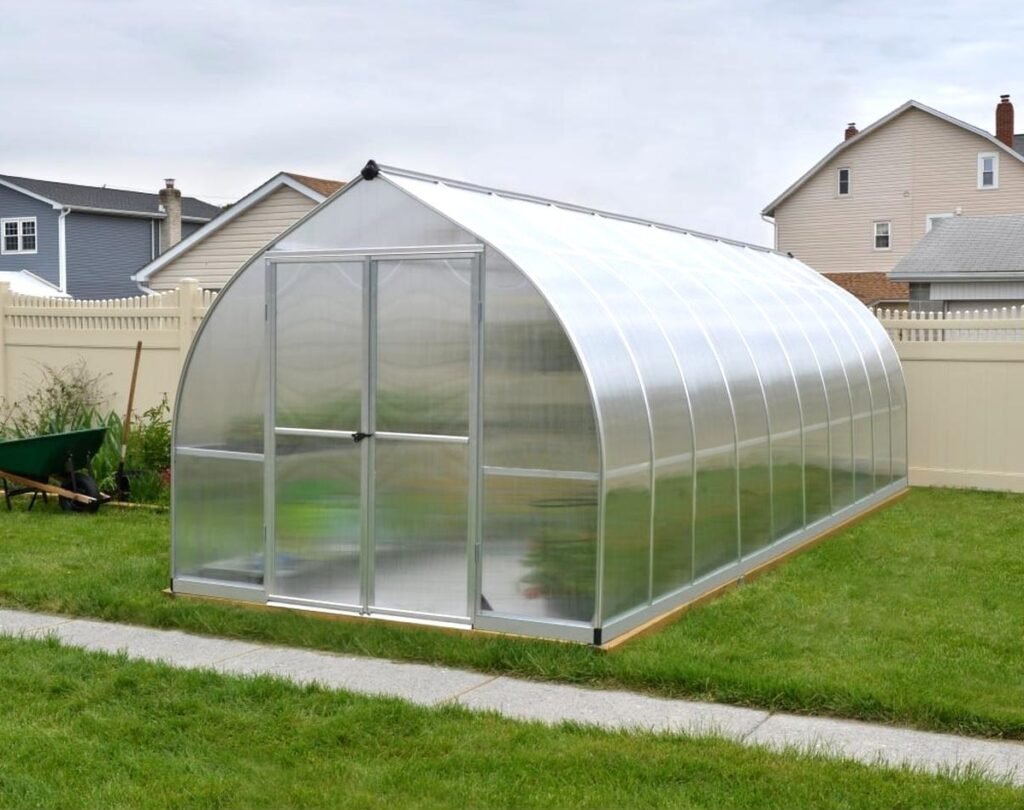
Types of Polycarbonate Greenhouse Panels
Polycarbonate greenhouse panels come in several types, each designed to meet specific insulation, light diffusion, and structural needs.
- Single-Wall Panels: Lightweight and cost-effective, these panels provide basic insulation and are ideal for small greenhouses, temporary structures, and low-budget installations.
- Twinwall Panels: Featuring two layers separated by an air gap, twinwall panels offer improved thermal insulation and rigidity, making them suitable for commercial greenhouses, nurseries, and medium-scale agricultural projects.
- Multiwall Panels: With multiple layers and air channels, multiwall panels deliver maximum insulation, structural strength, and energy efficiency, perfect for large-scale greenhouses, research facilities, and regions with extreme climates.
- Frosted / Opal Panels: Semi-opaque panels that diffuse light evenly while reducing glare, ideal for skylights, LED lighting systems, and controlled-environment agriculture.
- Textured / Embossed Panels: Panels with surface patterns enhance aesthetics, provide privacy, and improve light diffusion, making them suitable for decorative greenhouses, partitions, and specialty horticultural applications.
By understanding the characteristics of each type, B2B buyers can select the right polycarbonate greenhouse panel that balances durability, light performance, and cost-effectiveness for their projects.
Key Features and Advantages
Polycarbonate greenhouse panels offer a unique combination of strength, durability, and functional performance that makes them the preferred choice for commercial and industrial greenhouse projects.
- High Impact Resistance: Withstands hail, wind, and mechanical stress far better than glass or traditional plastic sheets, ensuring long-term protection for crops and structures.
- Excellent Thermal Insulation: Multiwall and twinwall panels trap air between layers, reducing heat loss and maintaining stable internal temperatures for optimal plant growth.
- UV Protection: Built-in UV coating prevents yellowing and material degradation, extending the lifespan of panels even under intense sunlight.
- Light Diffusion: Ensures uniform light distribution, minimizing hotspots and shadows, which enhances plant development and energy efficiency.
- Lightweight and Easy to Install: Panels are easy to handle, cut, and fit, reducing labor costs and installation time for large-scale projects.
- Durable and Long-Lasting: Designed to last over 15 years with minimal maintenance, providing excellent ROI for commercial buyers.
- Versatile Applications: Suitable for greenhouses, nurseries, vertical farms, research facilities, and specialty horticultural projects.
- Cost-Effective: Balances durability, performance, and price, making it an ideal investment for B2B buyers and large-scale agricultural operations.
These features make polycarbonate greenhouse panels a reliable, efficient, and high-value solution for both new and existing greenhouse projects.
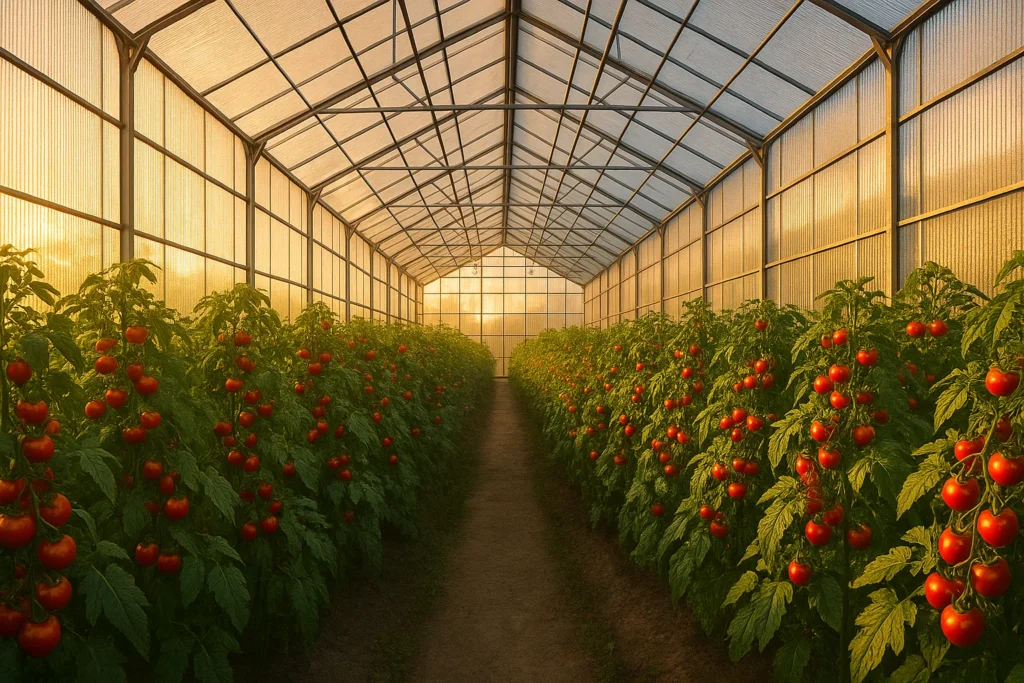
Technical Specifications of Polycarbonate Greenhouse Panels
Polycarbonate greenhouse panels are engineered to meet the highest standards of durability, light transmission, and thermal performance. The technical specifications are as follows:
| Specification | Details |
|---|---|
| Thickness Options | 4mm – 16mm (depending on panel type and insulation needs) |
| Standard Dimensions | 2100mm × 6000mm (custom sizes available) |
| Light Transmission Range | 40% – 85% depending on panel type and finish |
| Temperature Resistance | -40°C to +120°C |
| Fire Rating | UL 94 V-2 certified |
| Surface Finish Options | Smooth, Frosted, Textured, Embossed |
| Available Colors | Clear, Opal, Frosted, White, custom colors |
| UV Protection | One or two-side UV coating for long-term outdoor performance |
| Impact Resistance | Up to 250 times stronger than glass |
| Service Life | Over 15 years with minimal maintenance |
| Weight | Lightweight for easy handling and faster installation |
| Applications | Greenhouses, nurseries, research facilities, commercial horticulture |
These specifications ensure that polycarbonate greenhouse panels from G-Crystal Plastic Industries deliver reliable, high-performance, and long-lasting solutions for B2B buyers seeking scalable and cost-effective greenhouse systems.
Applications of Polycarbonate Greenhouse Panels
Polycarbonate greenhouse panels are versatile and widely used across commercial, industrial, and research applications due to their durability, thermal insulation, and light-diffusing properties.
- Commercial Greenhouses: Provides optimal light transmission and climate control for large-scale vegetable, flower, and plant production.
- Urban and Vertical Farming: Lightweight and easy-to-install panels support innovative farming systems in limited spaces.
- Research Facilities & Experimental Farms: Ensures stable temperature, uniform lighting, and protection against harsh weather for agricultural studies.
- Nurseries & Horticulture Projects: Ideal for propagating seedlings and protecting delicate plants from environmental stress.
- Climate-Controlled Agriculture: Supports precise environmental management for specialty crops, hydroponics, and controlled-environment agriculture.
- Skylights & LED Diffusers in Greenhouses: Enhances energy efficiency by distributing natural and artificial light evenly across plant beds.
By choosing polycarbonate greenhouse panels, B2B buyers can maximize crop yield, reduce energy costs, and achieve long-term durability, making them a cost-effective and reliable solution for high-volume agricultural projects.
Polycarbonate vs. Glass or Polyethylene Greenhouse Panels
When selecting greenhouse panels, understanding the differences between polycarbonate, glass, and polyethylene is essential for making cost-effective and durable choices.
Polycarbonate Panels:
- Impact Resistance: Up to 250 times stronger than glass, resistant to hail, wind, and accidental impacts.
- Lightweight & Easy to Install: Reduces structural requirements and labor costs.
- Thermal Insulation: Multiwall and twinwall panels provide excellent energy efficiency.
- UV Protection: Built-in coatings prevent yellowing and extend service life over 15 years.
- Customizable: Available in various thicknesses, finishes, and sizes for large-scale B2B projects.
Glass Panels:
- Fragility: High risk of breakage under impact; requires heavy support structures.
- Weight: Much heavier, increasing transportation and installation costs.
- Light Transmission: Excellent clarity but limited insulation properties.
- Maintenance: Frequent replacement and cleaning needed.
Polyethylene Sheets:
- Cost: Lower initial investment but shorter lifespan and frequent replacement.
- Durability: Prone to tearing, UV degradation, and reduced light transmission over time.
- Insulation: Minimal thermal performance compared to polycarbonate.
Conclusion: For commercial, industrial, and high-volume agricultural projects, polycarbonate greenhouse panels offer the ideal balance of strength, insulation, light diffusion, and long-term value, making them the preferred choice for B2B buyers.
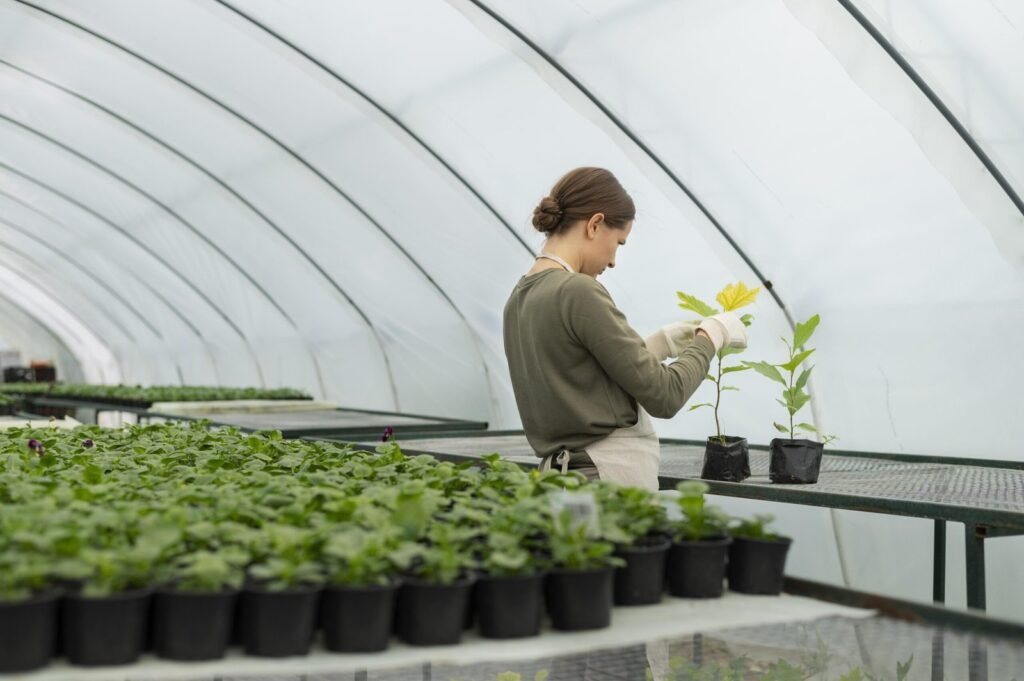
How to Select the Right Greenhouse Panels for Your Project
Selecting the ideal polycarbonate greenhouse panels requires careful consideration of your project’s structural, environmental, and operational needs. Key factors include:
- Panel Type: Choose between single-wall, twinwall, or multiwall panels based on insulation requirements, climate conditions, and budget.
- Thickness & Strength: Ensure the thickness meets wind, snow, and mechanical load demands while providing optimal thermal insulation.
- Light Transmission & Diffusion: Select panels that provide uniform light for plant growth while reducing glare and hotspots.
- UV Protection: Verify panels have UV coating on one or both sides for outdoor durability.
- Size & Fabrication Needs: Confirm standard dimensions or request custom sizes for large-scale projects or specialized structures.
- Project Scale & Budget: Consider bulk orders to maximize cost efficiency for commercial or high-volume installations.
Installation Tips
- Use appropriate support structures and framing to accommodate panel type and size.
- Install H-channels, U-profiles, and suitable fasteners to ensure stability and prevent water infiltration.
- Follow manufacturer guidelines for expansion gaps and panel orientation.
Maintenance Tips
- Clean panels regularly with mild soap and water to maintain light transmission.
- Avoid abrasive tools or harsh chemicals that can damage the surface or UV coating.
- Inspect panels periodically for cracks, loose fittings, or signs of wear to prolong service life.
By carefully selecting, properly installing, and maintaining polycarbonate greenhouse panels, B2B buyers can ensure optimal performance, longevity, and ROI for their agricultural or commercial projects.
If you export to EU markets, read our guide on CE certified polycarbonate sheets in Europe and compliance steps.
Why Choose G-Crystal Polycarbonate Greenhouse Panels?
G-Crystal Plastic Industries is a leading global manufacturer and exporter of premium polycarbonate greenhouse panels. Our panels combine superior durability, thermal performance, and aesthetic quality, making them the preferred choice for commercial and industrial projects worldwide.
Key reasons to choose G-Crystal panels include:
- European Quality Certification: Ensures compliance with the highest international standards for performance and reliability.
- Three ISO Certifications: Guarantees consistent quality, safety, and operational excellence.
- Advanced Extrusion Technology: State-of-the-art manufacturing produces precise thickness, uniform surface, and superior structural integrity.
- UV Coating with Long-Term Warranty: Protects against yellowing and degradation from sunlight, extending outdoor lifespan.
- Mass Production for Export: Capable of fulfilling large-scale orders efficiently for B2B buyers, distributors, and contractors.
- Competitive Pricing for Bulk Orders: Special rates designed for wholesalers, importers, and large-volume projects.
- Worldwide Shipping to Over 60 Countries: Reliable logistics and delivery support for global clients.
- Durability & Sustainability: Panels designed for over 15 years of maintenance-free performance, ensuring long-term ROI.
By choosing G-Crystal Polycarbonate Greenhouse Panels, businesses gain a reliable, cost-effective, and high-performance solution for large-scale agricultural, horticultural, and research projects, backed by certified quality and global support.
For B2B buyers, wholesalers, and large-scale agricultural projects, G-Crystal Plastic Industries offers customized solutions, competitive bulk pricing, and reliable worldwide shipping to over 60 countries. Contact us today to request a quote, discuss your project requirements, or explore how our premium polycarbonate greenhouse panels can enhance your operations with durability, efficiency, and long-term value.


