Polycarbonate Plastic for Wholesale & Enterprise Projects

Chemical Composition of Polycarbonate Plastic 

In the world of large-scale businesses and major projects, choosing the right materials is crucial for ensuring quality, efficiency, and long-term sustainability. Polycarbonate plastic has emerged as an ideal solution for companies seeking the perfect balance of strength, durability, and high transparency, while also offering wholesale supply options to meet the demands of extensive and diverse projects. Studies indicate that over 70% of commercial and industrial facilities worldwide rely on polycarbonate as an effective alternative to glass due to its impact resistance and exceptional versatility. This material provides a reliable, long-lasting solution for industrial buildings, commercial facilities, and engineering applications, ensuring performance that withstands various environmental challenges.
What is Polycarbonate Plastic?

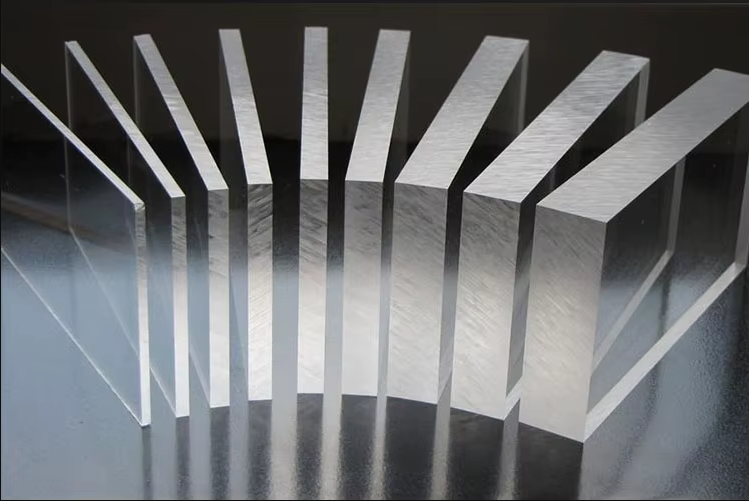
Polycarbonate plastic is a high-performance, versatile thermoplastic known for its strength, impact resistance, and transparency. It is lightweight yet extremely durable, capable of withstanding high temperatures, humidity, and long-term exposure to sunlight when UV-protected. Its flexibility and ease of fabrication make it ideal for large-scale commercial, industrial, and architectural applications, offering a long-lasting, reliable, and eco-friendly solution for projects that demand both performance and aesthetic appeal.

Chemical Composition of Polycarbonate Plastic

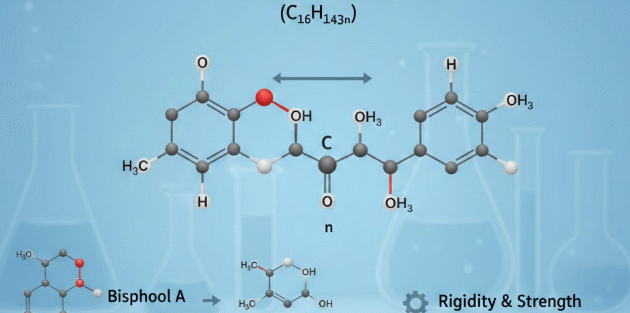
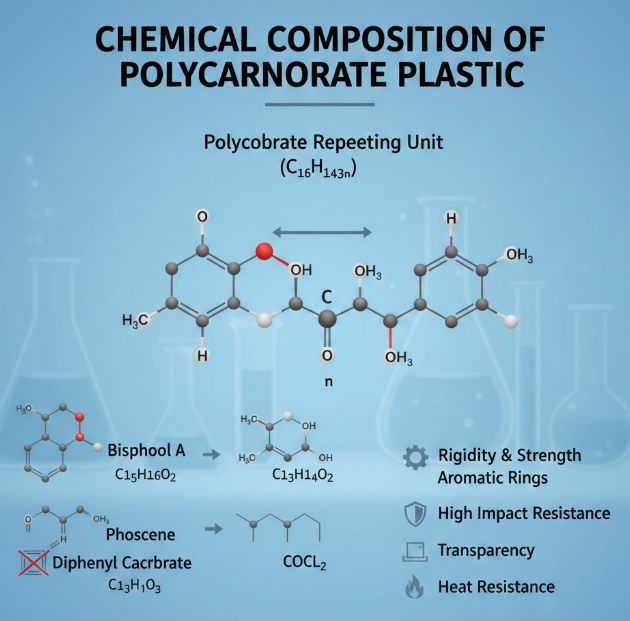
Polycarbonate plastic is made from two main chemical components: Bisphenol A (BPA) and a carbonate group. When these materials are combined, they form long, strong polymer chains that give polycarbonate its well-known advantages such as high impact resistance, clarity, and heat stability.

Its structure contains aromatic rings (which make the material strong and rigid) and carbonate linkages (which enhance transparency and durability). This balanced chemical design is what allows polycarbonate to outperform glass and many other plastics in demanding commercial and industrial applications.

In simple terms, the chemical composition of polycarbonate is engineered to deliver:

  • Strength and toughness
  • High transparency
  • Heat and UV resistance
  • Long-term durability

This is why companies that require reliable materials for large-scale projects often choose polycarbonate plastic as a preferred solution.

Chemical Composition of Polycarbonate Plastic 

Is Polycarbonate Plastic?

Polycarbonate plastic is a high-performance, versatile thermoplastic known for its strength, impact resistance, and transparency. It is lightweight yet extremely durable, capable of withstanding high temperatures, humidity, and long-term exposure to sunlight when UV-protected. Polycarbonate can be easily fabricated into sheets, panels, or custom shapes, making it ideal for large-scale commercial, industrial, and architectural applications. Its combination of robustness, clarity, and long lifespan makes it a preferred material over glass and many other plastics in demanding projects.

How Polycarbonate Plastic is Manufactured ?

Polycarbonate plastic is produced through a chemical polymerization process that combines bisphenol A (BPA) with phosgene or other carbonate sources. The manufacturing process typically involves the following steps:

1- Reaction and Polymerization:

    • Bisphenol A reacts with phosgene in a controlled chemical reaction to form long-chain polycarbonate polymers.
    • This process can occur via interfacial polymerization (involving two immiscible liquids) or melt polymerization.

2- Extrusion or Pelletizing:

    • The resulting polycarbonate material is extruded or formed into pellets for easier handling and storage.
    • Pellets are the intermediate form used for further shaping into sheets, films, or other products.

3- Sheet Formation:

    • Pellets are melted and formed into sheets or panels using extrusion, casting, or thermoforming techniques.
    • During extrusion, additives such as UV stabilizers, colorants, or flame retardants can be incorporated.

4- Cooling and Cutting: The formed sheets are cooled and cut to standard sizes, ready for commercial, industrial, or architectural applications.

5- Quality Control: Final products undergo strict quality checks to ensure properties such as impact resistance, transparency, thickness consistency, and UV protection meet industry standards.

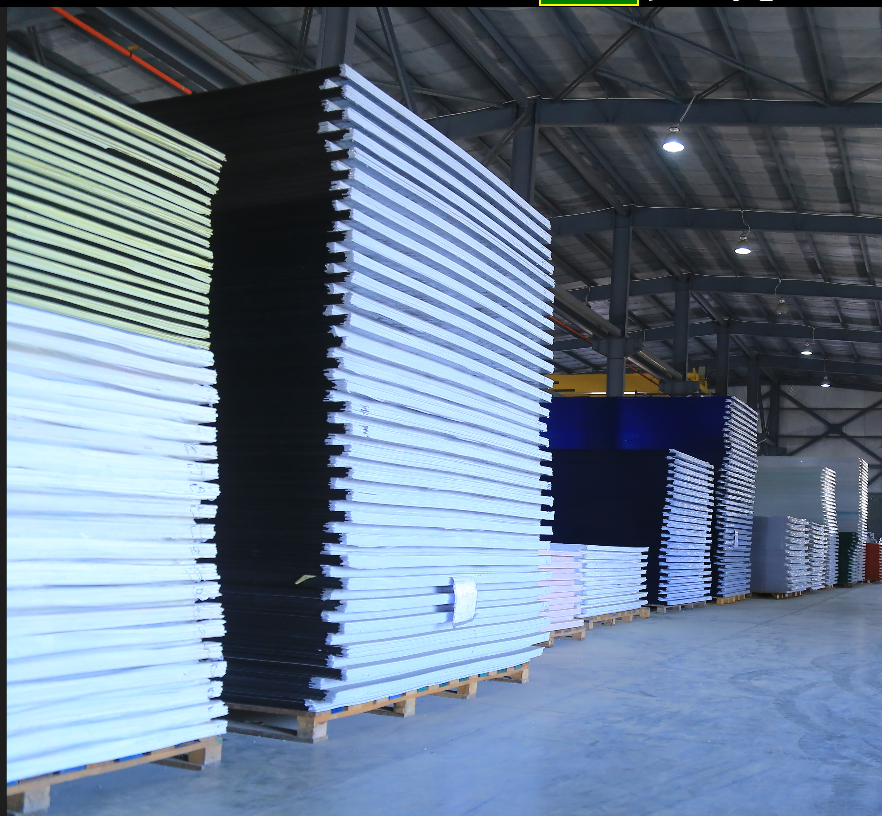
This process results in high-quality polycarbonate sheets that are lightweight, strong, and durable, making them suitable for commercial, industrial, and large-scale construction projects.

General Comparison Table: Polycarbonate Plastic vs Other Plastic Sheets

Criteria Polycarbonate Plastic Acrylic (PMMA) PVC Sheets Fiberglass (GRP) HDPE Sheets
Impact Resistance Extremely high (up to 200× stronger than glass) Moderate Low to medium Good but brittle over time High
Transparency High clarity, UV-stabilized options Very high clarity Low Medium None
Heat Resistance Excellent Good Poor Good Excellent
Weather & UV Resistance Excellent with UV coating Good Weak Good (may yellow over time) Very good
Durability / Lifespan 15–20 years ~10 years 5–7 years 8–12 years 10–15 years
Flexibility High Low Flexible but weak Low High
Weight Lightweight Lightweight Very lightweight Heavy Medium
Typical Applications Roofing, façades, greenhouses, industrial projects Signage, décor Partitions, temporary covers Industrial roofing Chemical and heavy-duty uses
Key Advantages Strength, clarity, durability Appearance, clarity Low cost Strength Chemical resistance

Wholesale & Corporate Buyer Comparison Table

Business Criteria Polycarbonate Plastic Acrylic (PMMA) PVC Sheets Fiberglass (GRP) HDPE Sheets
Suitability for Large Projects Excellent for high-volume commercial and industrial use Limited (mainly décor & signage) Suitable for low-cost, low-load uses Good for mid-budget industrial projects Excellent for heavy-duty industrial use
Bulk Order Stability High dimensional stability Moderate stability Low stability under heat High stability Very high stability
Shipping & Handling Very safe (impact-proof, low breakage rates) Risk of breakage Very safe but prone to bending Heavy and bulky Safe and stable
Installation Speed Fast & easy (flexible, lightweight) Medium Very fast Slow (requires tools) Medium
ROI for Corporate Projects Very high due to lifespan and durability Medium Low Medium High
Best Wholesale Use-Cases Roofing projects, construction, greenhouses, industrial clients Retail stores, signage suppliers Low-cost partitions Medium-cost industrial roofing Chemical plants, heavy industry

Leave A Comment